

Padra Publishes Proposed Social Downtime Framework for Aesthetic Care

A pre-procedure assessment at Padra, where treatment planning, individual considerations, and visible recovery expectations are reviewed with the patient.

Padra’s dedicated male waiting area provides an organized setting for patients before consultations and scheduled treatments.
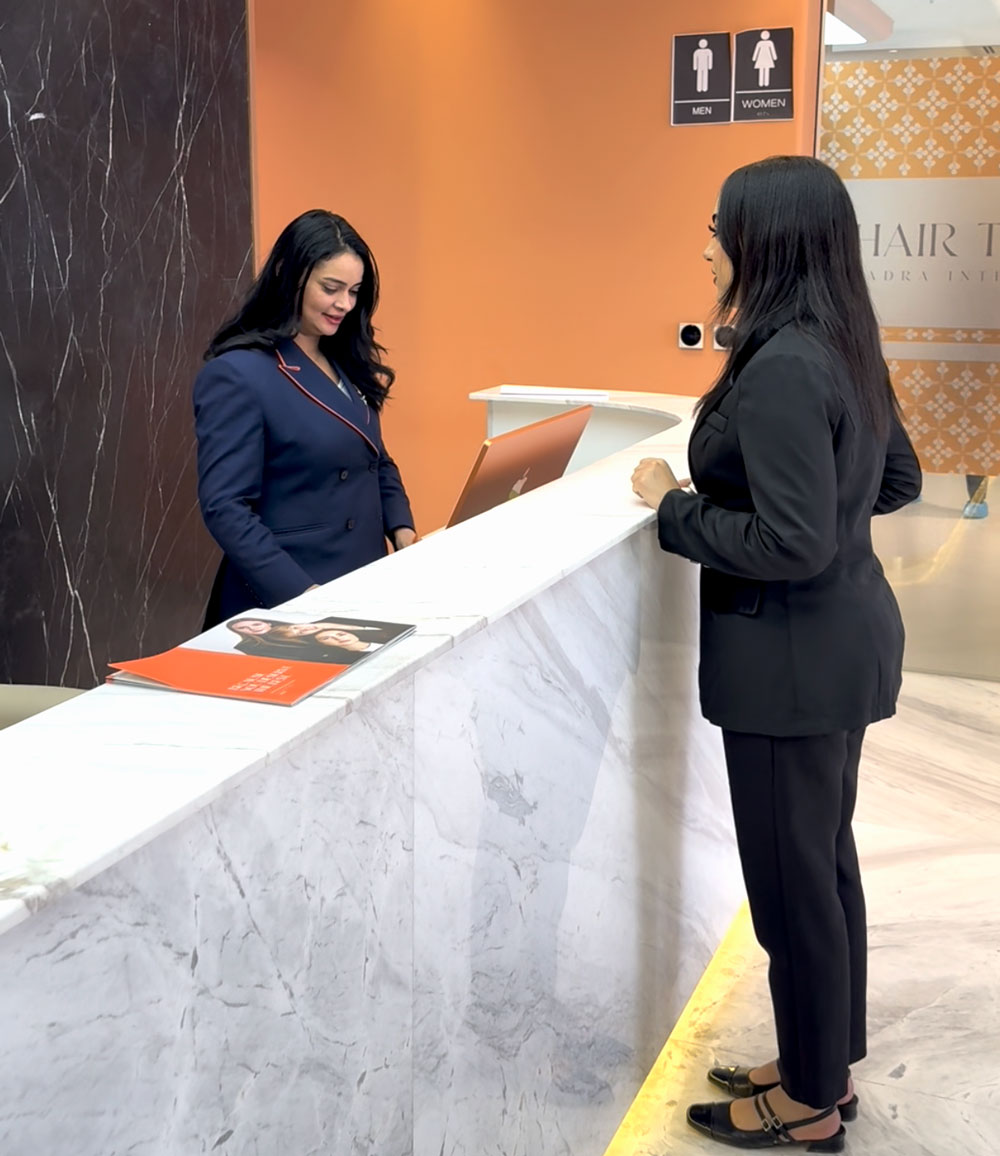
A patient checks in at Padra’s reception, where appointments, consultation details, and treatment-related guidance are coordinated.
Padra proposes a framework for measuring when aesthetic patients feel ready to return to work, travel, video calls, and public life.
SAUDI ARABIA, July 12, 2026 /EINPresswire.com/ -- Padra, part of Fakhraei Group, has published a proposed patient-experience framework for measuring “social downtime” following aesthetic treatments.The framework distinguishes clinical or physical recovery from the point at which a patient feels comfortable returning to work, travel, social events, video calls, and other public-facing activities.
Social downtime may continue after a patient is medically stable or physically able to resume normal activity. Temporary effects such as redness, swelling, bruising, peeling, crusting, or other visible treatment signs may still affect when a patient feels ready to be seen publicly.
Padra said the proposed framework responds to a gap in traditional recovery communication. Treatment guidance often explains activity restrictions and clinical healing, but may not separately address how visible recovery can affect professional schedules, family commitments, travel plans, or social confidence.
Under the proposal, providers would distinguish between physical downtime, work downtime, skincare restrictions, and social downtime rather than presenting recovery as a single estimate.
The framework recommends measuring five areas: median social downtime by treatment, the percentage of patients whose recovery matches expectations, the visible burden of temporary treatment reactions, the frequency of unplanned recovery-related contacts, and patient satisfaction when considered alongside the actual recovery experience.
Suggested follow-up points include the first 24 hours, day three, and day seven, with timing adjusted according to the treatment involved. Providers may use structured patient questionnaires, consent-based photographs, and follow-up communication to understand when patients feel comfortable resuming public-facing activities.
The framework does not propose a universal recovery benchmark and does not suggest that aesthetic procedures should be described as having no downtime. Recovery differs according to the treatment, patient characteristics, technique, treatment area, and individual response.
“Patients may be physically able to continue their routine before they feel socially comfortable doing so,” a Fakhraei Group spokesperson said. “Measuring that difference may help providers communicate more accurately, identify points of recovery friction, and improve patient support without making unrealistic promises.”
Padra said expectation accuracy should be treated as an important part of patient experience. When visible redness, swelling, bruising, or other temporary effects last longer than expected, patients may experience avoidable concern even when recovery remains clinically normal.
The proposed framework therefore recommends discussing realistic recovery ranges during consultation and separating medical restrictions from appearance-related considerations.
The issue may be particularly relevant for patients travelling for aesthetic treatment. Visible recovery can affect hotel requirements, return flights, work leave, companion arrangements, and the timing of in-person or remote follow-up.
For international patients, the framework recommends that treatment planning include a practical discussion of travel schedules, public-facing commitments, early aftercare, and access to follow-up support after returning home.
Padra also recommends that providers avoid broad or unsupported “no downtime” claims. Instead, communication should explain the type of visible reaction that may occur, how long it may last, and which individual factors can influence recovery.
The company said the proposed framework is intended as a starting point for more consistent patient communication and internal measurement rather than as a clinical standard or regulator-approved benchmark.
More information about Padra and its regional services is available at Padra.com.
Padra said that tracking social downtime alongside clinical recovery may help aesthetic care providers better understand how treatment affects daily life and where communication, scheduling, or follow-up protocols can be improved.
Padra is a regional hair restoration and aesthetic care brand operating as part of Fakhraei Group. Its services include hair, eyebrow, and beard restoration, along with aesthetic treatments delivered across multiple markets. The brand’s care model emphasizes personalized planning, patient education, privacy-conscious communication, and structured follow-up
Sahan Saeidy
Padra International
+ +98 936 109 3602
email us here
Visit us on social media:
LinkedIn
Instagram
Facebook
TikTok
Other
Legal Disclaimer:
EIN Presswire provides this news content "as is" without warranty of any kind. We do not accept any responsibility or liability for the accuracy, content, images, videos, licenses, completeness, legality, or reliability of the information contained in this article. If you have any complaints or copyright issues related to this article, kindly contact the author above.
